
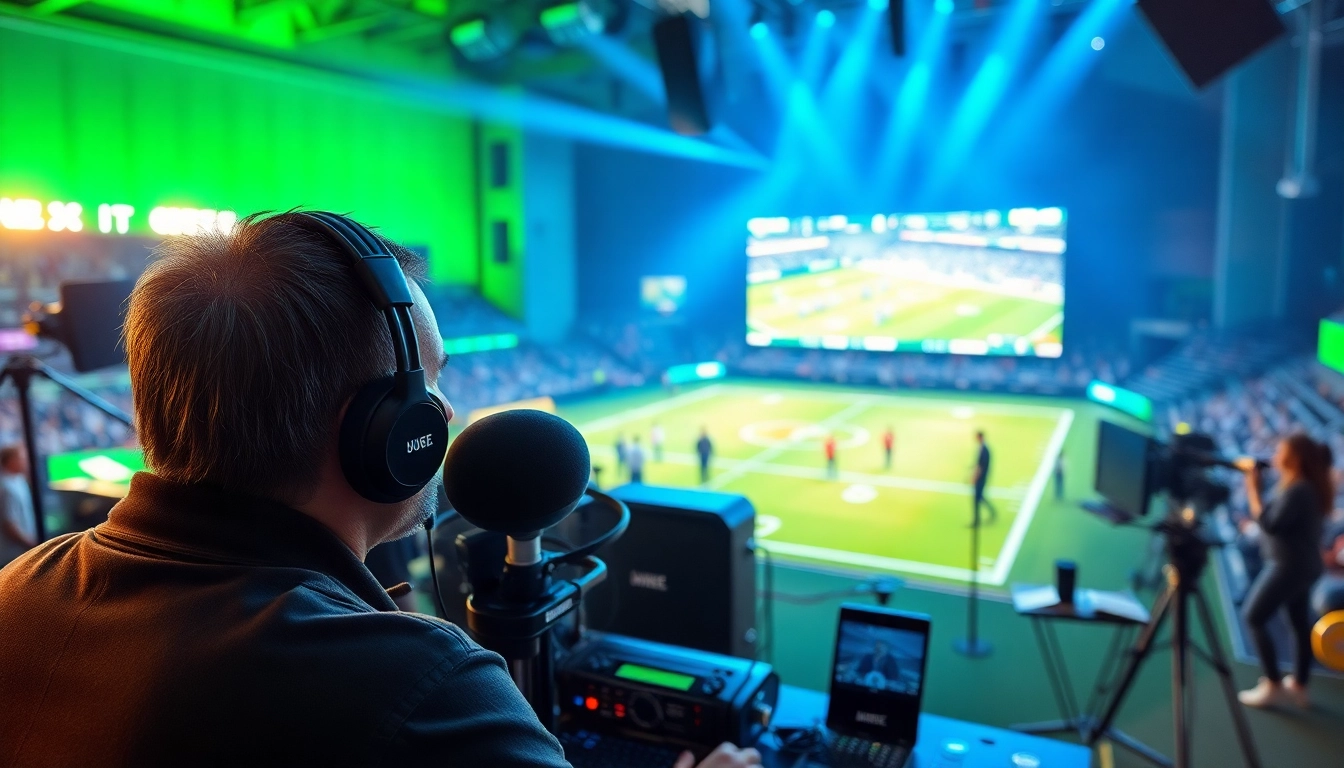
Basics of Sports Broadcasting
Defining Sports Broadcasting
Sports Broadcasting is the method of transmitting live sports events and related programs through various media channels, including television, radio, and online platforms. This dynamic field plays a crucial role in how sports are enjoyed globally, bringing fans closer to the action. With technological advancements, the scope of Sports Broadcasting has expanded, allowing for greater viewer interaction, such as through Sports Broadcasting initiatives that engage audiences more directly.
Key Roles in Sports Broadcasting
Sports Broadcasting encompasses various roles, each contributing uniquely to the viewer's experience. These include:
- Commentators: The voices that lead viewers through the game, providing live commentary, analysis, and insights.
- Producers: These individuals orchestrate the entire broadcast, from planning and scheduling to managing the technical team.
- Camera Operators: Responsible for capturing the action and ensuring the audience receives the best visual experience possible.
- Analysts: They provide expert analysis and breakdown of plays, players, and strategies during and after events.
History of Sports Broadcasting
The history of Sports Broadcasting dates back to the early 20th century. The first sports broadcast occurred in 1921 when a boxing match was aired on the radio. As technology progressed, television broadcasts of sports became prevalent, significantly changing viewers' engagement with sports. The landmark era of cable TV in the 1980s further diversified Sports Broadcasting, leading to specialized sports networks that catered specifically to sports fans.
Techniques and Strategies for Effective Sports Broadcasting
Commentary Techniques in Sports Broadcasting
Effective commentary is vital for enhancing the viewer's experience during live sports events. Commentators employ various techniques:
- Play-by-Play Commentary: Provides a live description of events as they unfold, allowing viewers to visualize the action.
- Color Commentary: Involves providing additional context, background information, and insights about players and strategies.
- Storytelling: Engaging narratives that connect the game to players' backstories or historical events can captivate audiences.
- Interactive Commentary: Encourages audience participation, allowing fans to ask questions or provide feedback in real-time, often through social media platforms.
Production Elements of Sports Broadcasting
The success of a broadcast lies in the careful planning and execution of various production elements. Key components include:
- Camera Angles: Different viewpoints enhance the viewing experience, such as close-ups during crucial moments or aerial shots for broader context.
- Graphics and Stats: Real-time stats and graphical representations provide viewers with context about the game, enhancing their understanding of gameplay.
- Sound Design: Effective audio mixing, including crowd reactions and commentary, enriches the live viewing experience.
- Post-Production Editing: Highlights and analysis segments improve engagement during replays and post-game shows.
Understanding Audience Engagement
Engaging audiences effectively is critical in Sports Broadcasting. Techniques that promote viewer interaction include:
- Social Media Integration: Utilizing platforms like Twitter and Instagram to engage with fans during broadcasts helps create a community around major events.
- Polls and Q&A Sessions: Encouraging viewers to participate in polls or ask questions enhances viewer investment in the event.
- Behind-the-Scenes Content: Offering exclusive content, such as player interviews or behind-the-scenes insights, builds a stronger connection with audiences.
Technological Innovations in Sports Broadcasting
Live Streaming and Digital Media
Live streaming has transformed how audiences consume sports content. This shift has created opportunities for networks and platforms to provide sports coverage in real-time over the internet. Viewers can watch events from various devices, unlocking the potential for greater demographic reach. Sports leagues and teams are increasingly developing their streaming platforms, allowing for more exclusive content and tailored viewing experiences.
Augmented Reality in Sports Broadcasting
Augmented Reality (AR) has emerged as a game-changer in Sports Broadcasting. This technology overlays digital information onto live footage, enhancing viewer understanding of complex plays. For example, AR graphics can illustrate player formations or highlight key on-field movements. This immersive experience significantly heightens viewer engagement, making them feel more connected to the action.
Analytics and Viewer Insights
Advanced analytics are redefining viewer insights in Sports Broadcasting. Data collection and analysis enable broadcasters to tailor content to audience preferences, enhancing the overall viewing experience. Metrics such as viewership demographics, audience engagement rates, and sentiment analysis inform broadcasting strategies. By aligning content with audience interests, networks can cultivate heightened loyalty and viewership.
Future Trends in Sports Broadcasting
The Rise of Interactive Broadcasting
Interactive Broadcasting is set to reshape the landscape of Sports Broadcasting. This trend encourages audience participation in live events, creating a two-way communication channel between broadcasters and viewers. Fans can influence aspects of the broadcast, from camera angles to commentary choices. This evolution not only enhances engagement but solidifies viewer loyalty by making them a part of the experience.
Sustainable Practices in Sports Broadcasting
As sustainability becomes a global priority, Sports Broadcasting is adapting to embrace eco-friendly practices. This includes utilizing energy-efficient broadcasting equipment, reducing waste in production, and advocating for sustainable sports initiatives. By aligning with broader sustainability goals, broadcasters can attract environmentally conscious fans and contribute positively to the industry.
Predictions for Sports Broadcasting Evolution
The future of Sports Broadcasting promises continued evolution driven by technological advancements and changing audience expectations. Upcoming trends may include personalized content delivery, enhanced virtual realities, and even the integration of artificial intelligence for better interaction and analysis. As the industry grows, adapting to these changes will be crucial for staying relevant in a competitive landscape.
Challenges and Best Practices in Sports Broadcasting
Navigating Legal and Ethical Concerns
Legal and ethical challenges are inherent in Sports Broadcasting. Broadcasters must adhere to copyright restrictions, licensing agreements, and ethical considerations surrounding content accuracy and representation. Transparency with viewers regarding sponsorships and advertisements is essential for maintaining trust and credibility. Continuous education and legal compliance are vital for navigating this complex landscape.
Maintaining Viewer Trust and Credibility
Trust is a cornerstone of Sports Broadcasting. Broadcasters must prioritize accuracy in reporting, provide fair commentary, and uphold ethical standards. Engaging with audiences through transparent communication builds credibility. Additionally, proactive handling of misinformation and complaints fosters a positive relationship with viewers, securing their loyalty in the long term.
Best Practices for Content Creation
Effective content creation is crucial for engaging audiences in Sports Broadcasting. Best practices include:
- Planning: Careful preparation of content ensures that producers and commentators are well-equipped for live events.
- Diversity and Inclusion: Broadcasters should strive for representation of diverse voices and stories, appealing to a broader audience.
- Feedback Mechanisms: Implementing feedback loops can help broadcasters understand viewer preferences and improve content continually.
FAQs
What is sports broadcasting?
Sports broadcasting refers to the live transmission of sports events and related content via television, radio, or online platforms.
How is technology shaping sports broadcasting?
Technology enhances sports broadcasting with innovations like live streaming, augmented reality, and advanced analytics, improving viewer experience.
What roles exist in sports broadcasting?
Key roles include commentators, producers, analysts, and camera operators, each contributing to the overall broadcast experience.
What are common challenges faced by sports broadcasters?
Challenges include maintaining legal compliance, ensuring viewer engagement, and adapting to rapidly changing technologies.
How can one get into sports broadcasting?
A career in sports broadcasting typically requires a background in communications, a passion for sports, and experience in media production.