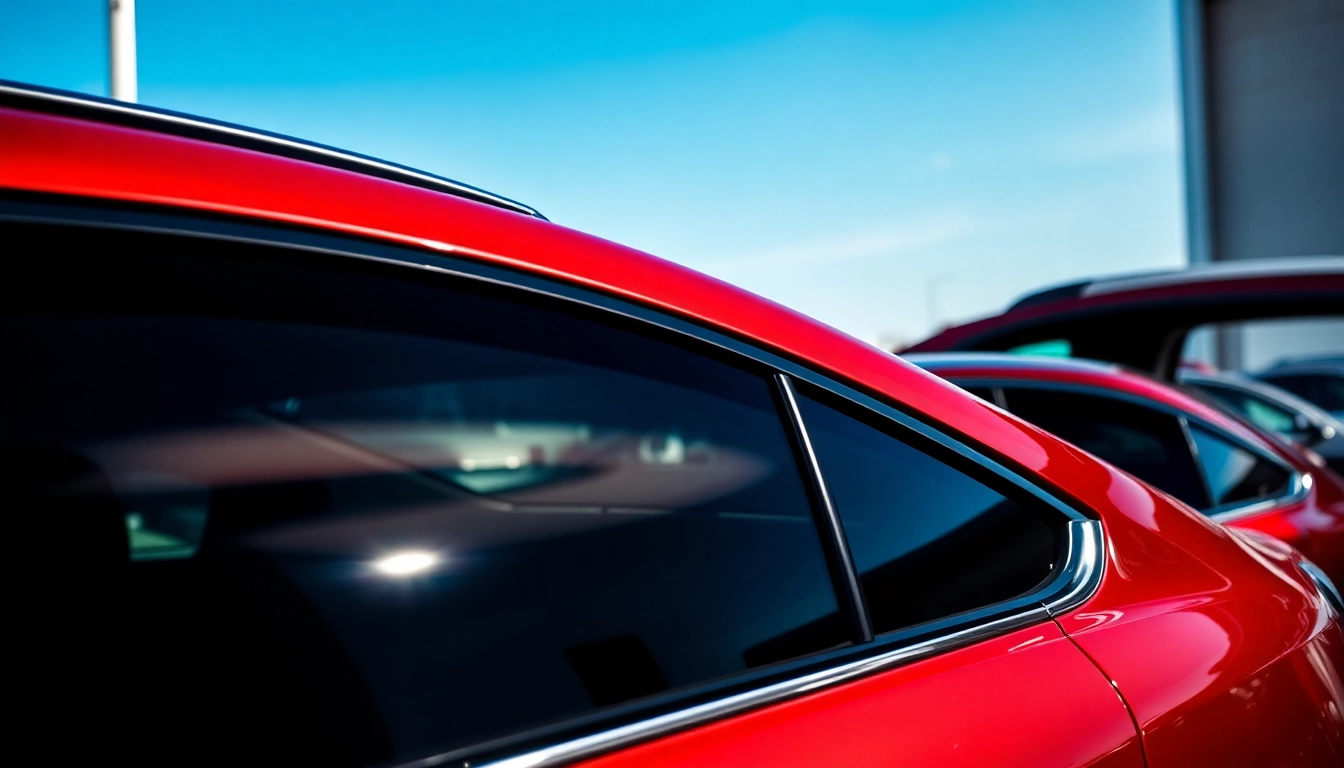
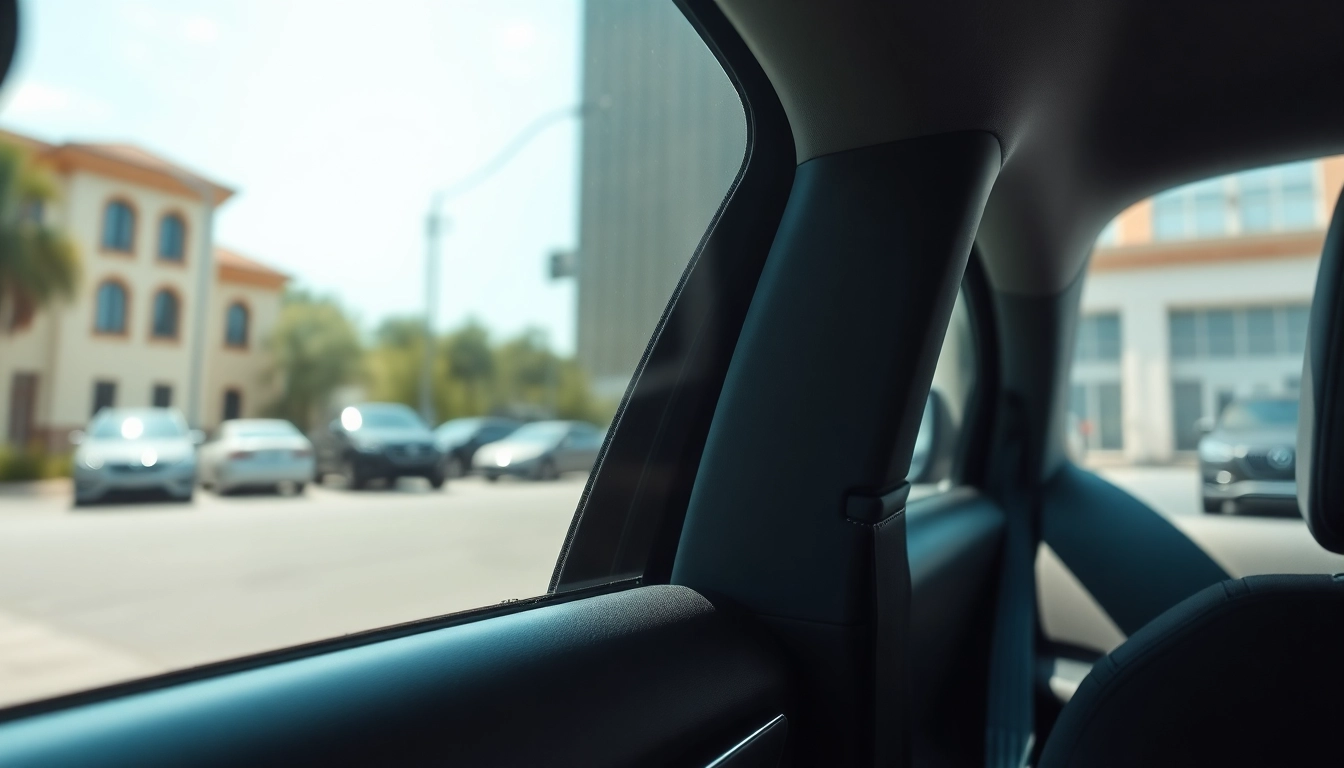
Understanding Window Tinting
What is Window Tint?
Window tint refers to a thin film applied to glass surfaces, commonly seen in vehicles, residential homes, and commercial buildings. This film, made from polyester or other materials, acts as a barrier to UV rays and visible light. By varying the thickness and tint level, users can achieve different levels of privacy, heat rejection, and cosmetic appeal. The application process involves a meticulous approach to ensure that the film adheres properly and maintains clarity without impairing visibility.
Benefits of Window Tinting
There are numerous advantages to window tinting, making it a popular choice for home and vehicle owners alike. Chief among these benefits are:
- UV Protection: Tinted windows can block up to 99% of harmful UV rays, reducing the risk of skin cancer and protecting interior surfaces from fading.
- Heat Rejection: High-quality window films can significantly reduce the heat entering a space, improving comfort and potentially lowering energy bills.
- Privacy and Security: A tinted window provides an added layer of privacy, safeguarding your belongings from prying eyes while possibly making break-ins less appealing.
- Glare Reduction: Tints help minimize glare from the sun or artificial lights, enhancing visibility and comfort.
- Enhanced Aesthetics: With various tint options available, windows can be customized to elevate the overall look of your vehicle or home.
Different Types of Window Film
Window films come in a diverse array of types, each designed for specific needs:
- Dyed Window Film: Provides privacy and heat absorption but has limited UV protection.
- Metalized Window Film: Offers excellent UV protection and heat rejection but can interfere with signals from electronic devices.
- Carbon Window Film: Known for its ability to block heat without the reflective shine, this film also does not fade quickly.
- Ceramic Window Film: One of the most advanced types, it rejects heat while allowing for excellent visibility and does not interfere with electronic signals.
- Safety and Security Film: This thicker film is designed to hold shattered glass together, reducing the risk of injury during accidents or break-ins.
Choosing the Right Window Tint Near Me
Factors to Consider
When searching for window tint near me, it's essential to consider several key factors:
- Climate: If you live in a sun-drenched area, opt for films with a high heat rejection rating.
- Legal Regulations: Different areas have varying laws regarding allowable tint levels. Ensuring compliance can save you from hefty fines.
- Purpose: Determine whether you're primarily seeking privacy, heat reduction, or aesthetic improvements to guide your choice of film type.
- Warranty: Look for reputable brands that offer warranties, which can be an indicator of the film's durability and the installation quality.
How to Select a Local Provider
Choosing a reliable provider is crucial for a successful window tinting experience. Here's how to go about it:
- Check Reviews: Look for customer feedback on review sites or social media platforms to gauge the quality of services provided.
- Ask for Portfolios: Reputable installers should have a portfolio showcasing their previous work to give you an idea of what to expect.
- Evaluate Customer Service: Gauge how responsive and knowledgeable potential providers are during initial inquiries—this can be a strong indicator of their professionalism.
- Request Quotes: Obtain multiple quotes to compare pricing, but avoid settling solely on a lower price at the expense of quality.
Common Mistakes to Avoid
When getting window tinting, there are several pitfalls to avoid:
- Neglecting Local Laws: Always familiarize yourself with local regulations for window tinting before proceeding.
- Choosing the Wrong Film Type: Ensure the film you select aligns with your objectives—misunderstanding film properties can lead to dissatisfaction.
- Skipping Research on Installers: Failing to review credentials or referrals can result in subpar installations.
- Overlooking Maintenance: Understand the care requirements for your chosen film to maintain its effectiveness over time.
Installation Process Overview
Pre-Installation Preparations
Prior to installation, several steps should be taken to ensure a smooth process:
- Clean the Windows: The glass surfaces should be thoroughly cleaned of all dust, dirt, and grime to allow for proper adhesion of the film.
- Check for Existing Damage: Inspect windows for any cracks or chips, as these can worsen once the film is applied.
- Gather Necessary Tools: If you're considering a DIY installation, ensure you have access to all essential materials, including the film itself, application solution, squeegees, and utility knives.
Step-by-Step Installation Guide
The process of installing window tint can be intricate. Below is a step-by-step guide:
- Measure and Cut: Measure the window accurately and cut the film to size, ensuring there's a slight overhang to work with.
- Apply the Solution: Mist the window with an application solution to help slide the film into position.
- Position the Film: Carefully position the film on the window, adhesive side facing the glass.
- Squeegee Out Bubbles: Using a squeegee, push out air bubbles and excess solution. Start from the center and move outward.
- Trim Excess Film: Once bubbles are removed, use a utility knife to neatly trim the edges.
- Drying Time: Allow the film to dry fully, typically taking a few days to cure completely.
Post-Installation Care Tips
Once the tint is installed, proper care is vital to ensure longevity:
- Avoid Immediate Cleaning: Do not clean the tinted windows for at least a week post-installation to allow adhesive to fully bond.
- Use Non-Abrasive Cleaners: When cleaning, avoid harsh chemicals and use soft cloths to prevent scratches.
- Regular Inspections: Periodically check for bubbling or peeling and address issues promptly to prevent further damage.
Performance and Aesthetics
How Window Tint Improves Comfort
One of the primary reasons for tinting windows is enhanced comfort. Tinted windows reduce heat gain during hot weather, resulting in a more enjoyable driving or living space. This heat reduction can also lead to decreased energy usage for air conditioning. Additionally, by minimizing glare, tinted windows provide a less distracting environment when driving or spending time indoors.
Enhancing Vehicle Appearance
Window tinting not only provides functional benefits but also enhances the vehicle's aesthetic appeal. A well-tinted vehicle exudes sophistication and can increase its resale value. Various shades and finishes allow for customization according to personal style preferences, helping your vehicle stand out in a crowd.
Legal Considerations for Tint Levels
Understanding the legal limitations regarding window tint is crucial. Each state has specific laws dictating how dark or reflective tint can be. It is essential to research your area’s regulations before selecting a tint to ensure compliance and avoid potential fines. Typically, front windshields have stricter regulations, often requiring a lighter tint or prohibiting certain films altogether.
FAQs About Window Tint Near Me
How long does window tint last?
With proper care, window tinting can last anywhere from 5 to 20 years, depending on the quality of the film and the installation process.
Can I install window tint myself?
It is possible to install window tint yourself, but professional installation is recommended to ensure quality and avoid common mistakes.
Is window tinting legal everywhere?
No, window tinting regulations vary by state and locality. Ensure you check the laws applicable in your area before installation.
What are the costs involved?
Costs for window tinting can vary widely based on vehicle size and film type, typically ranging from $100 to $400 or more for professional installation.
How do I maintain tinted windows?
To maintain tinted windows, avoid ammonia-based cleaners, use soft cloths for cleaning, and refrain from rolling down windows for a week post-installation.