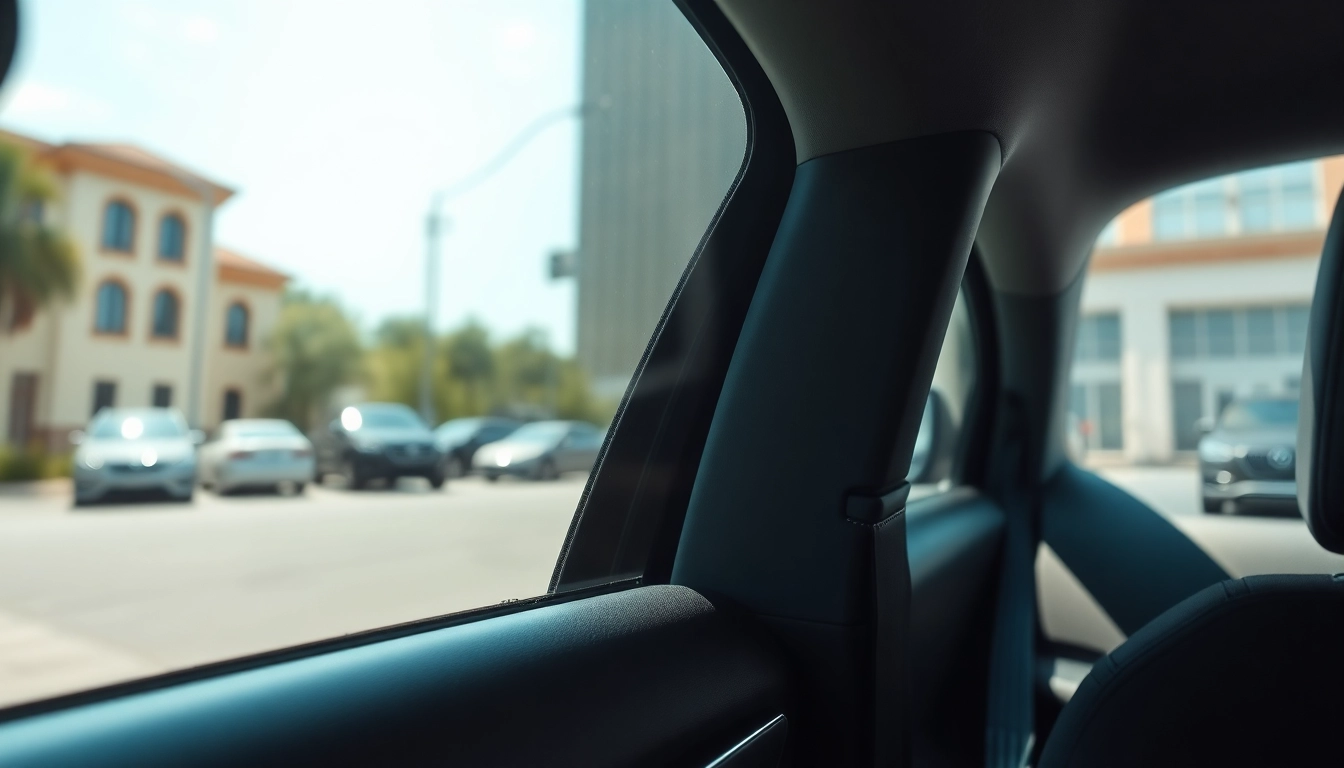

Understanding Window Tinting for Vehicles
What is Window Tinting?
Window tinting refers to the process of applying a thin laminate film to the glass surfaces of vehicles, homes, or commercial buildings to reduce glare, improve privacy, and enhance aesthetics. Typically composed of various layers of polyester, adhesive, and a scratch-resistant coating, window tints come in various shades and types, addressing different needs from heat reduction to UV protection. The installation process involves cleaning the glass thoroughly, measuring, cutting the film to fit, and applying it with precision, ensuring a seamless appearance.
Benefits of Window Tint
The advantages of window tinting extend beyond mere aesthetics. One of the most significant benefits is the reduction of heat inside the vehicle, which can lead to decreased reliance on air conditioning and improved fuel efficiency. Additionally, quality window tint significantly blocks harmful UV rays. These rays are known to cause skin damage and can contribute to the fading of the vehicle’s interior over time. Furthermore, window tinting enhances privacy, deterring potential theft by obscuring valuables inside. In essence, investing in window tint aligns with both safety and comfort.
Different Types of Window Tint
When selecting a window tint, understanding the different types available is crucial. The common categories include:
- Dyed Window Tint: This film is affordable and provides privacy but has limited heat rejection capabilities.
- Metalized Window Tint: Known for its durability and heat rejection, this tint contains tiny metal particles that reflect heat.
- Ceramic Window Tint: Offering maximum UV protection and heat rejection without interfering with technology, ceramic tints are premium options.
- Hybrid Window Tint: Combining dyed and metalized properties, hybrid tints offer a balance between cost and performance.
Factors to Consider When Choosing Tint
Legal Regulations in Chattanooga
Before selecting window tint, it is essential to familiarize yourself with local regulations regarding the permissible darkness of window films. In Chattanooga, TN, specific laws govern how dark your windows can be. Generally, the front windshield must allow a certain percentage of light to pass through, while the rear windows have more lenient requirements. Ensuring compliance with these regulations is crucial to avoid fines and ensure safety on the road.
Types of Films and Their Features
Each type of window film has unique features that serve specific purposes. For instance, dyed films are great for aesthetic purposes and privacy, while metalized films offer durability and heat rejection but may interfere with radio signals. If you prioritize clarity and protection from UV rays, a ceramic film could be the best choice. Always weigh the benefits against your needs to make an informed decision.
UV Protection and Heat Reduction
One of the primary reasons for applying window tint is to enhance UV protection and heat reduction. Quality tints can block up to 99% of UV rays, significantly reducing skin damage risks and protecting your vehicle’s interior. Additionally, various tints can lower vehicle temperatures on hot days, making rides more comfortable and improving overall driving experiences.
Finding the Best Window Tint Chattanooga TN
Researching Local Options
When searching for the best window tint Chattanooga TN, begin by researching local providers. Check their websites, social media profiles, and online forums to evaluate their offerings, specialties, and customer engagement. Local installation shops may vary in quality, so finding one that aligns with your preferences is essential.
Understanding Customer Reviews
Customer reviews are invaluable sources of information when selecting a window tint provider. Take the time to read reviews across various platforms, noting the recurring themes regarding product effectiveness, customer service quality, and the installation experience. High ratings and positive feedback can guide you toward trustworthy installers who have proven their capabilities.
Requesting Free Consultations
Many reputable window tint providers offer free consultations. Seize the opportunity to engage with professionals, ask questions, and receive personalized advice tailored to your vehicle and lifestyle. During these consultations, you can also gauge their expertise and build potential partnerships for a successful window tinting experience.
Cost Considerations for Window Tinting
Average Prices in Chattanooga TN
The cost of window tinting can vary significantly based on the type of film chosen, the vehicle size, and the provider’s expertise. On average, residents in Chattanooga can expect to pay between $200 and $600 for a full vehicle tinting job, depending on these factors. It’s wise to get multiple quotes to find the best value without compromising on quality.
Additional Services and Potential Upsells
When seeking window tinting services, be aware of potential upsells that may arise during the consultation process. Providers may offer add-ons such as ceramic coatings, paint protection films, or warranties that can enhance your vehicle’s protection. Although these additional services might incur extra costs, they could offer substantial long-term benefits and peace of mind.
Financing and Payment Options
Many window tinting providers recognize the investment involved in quality tinting and may offer financing or payment plans to make the process more affordable. Inquire about these options to alleviate financial pressure while ensuring you select the best tint for your vehicle, even if it means stretching your budget a little.
Maintaining Your Tinted Windows
Care Tips for Longevity
Proper maintenance of tinted windows can significantly extend their lifespan. Here are some care tips to consider:
- Avoid cleaning products that contain ammonia, as they can degrade the tint over time.
- Use a soft cloth to gently clean the surface, minimizing scratches.
- Allow the film to cure for at least a few days after installation before cleaning.
When to Seek Professional Help
If you notice bubbling, peeling, or discoloration in your window tint, it’s essential to seek professional help immediately. These issues often indicate that the tint was not correctly applied or is suffering from wear and tear, requiring expert intervention to restore aesthetics and functionality.
Common Misconceptions about Window Tint
Many misconceptions surround window tinting, leading to misunderstandings. One prevalent belief is that window tinting significantly reduces visibility at night; while some darker tints may affect this, many options allow for clear viewing in low-light conditions. Another fallacy is that window tinting is solely for aesthetics; in reality, it serves multiple practical functions, including UV blocking and heat reduction that protect both drivers and vehicles.
FAQs About Window Tinting
1. How long does window tint last?
Window tint can last between 5 to 10 years, depending on the film quality and care taken during maintenance.
2. Can I remove window tint myself?
While it’s possible to remove tint yourself, it’s often best to consult a professional to avoid damage to the glass.
3. Will window tint affect my car’s warranty?
Generally, window tinting does not affect your car’s warranty, but always check your warranty documents to confirm.
4. Is darker tint better?
Darker tint offers more privacy and glare reduction but may not always provide better UV protection than lighter shades.
5. Can I tint my front windshield?
Most regions have regulations regarding front windshield tint; typically, only a clear or lightly tinted shade is allowed.